Loading...

SecurityPlace is a free online resource. We may receive compensation when you click provider links or call partner numbers. Compensation may affect how and where providers appear.
Learn more.Loading...

Welcome home! Whether you’ve just closed on your first house or moved into a new space, now’s the perfect time to think about safety. Securing your home from the start helps protect your investment, belongings, and peace of mind. This checklist walks you through the most important steps to make your home safer, from changing locks and checking detectors to setting up a reliable security system. Follow these simple steps to start your homeownership journey with confidence.
The first thing every new homeowner should do is update their locks. You never know how many copies of your keys may still be out there. Replace or rekey all exterior locks and consider upgrading to high-security deadbolts or smart locks.
Don’t forget to:
These small steps create the foundation for a secure home.
Fire and carbon monoxide alarms save lives, but only if they work. Test every alarm as soon as you move in. Replace batteries if needed and install new detectors on every floor, especially near bedrooms and hallways.
Smart detectors, like those that connect to your phone, can send alerts even when you’re not home. Many newer models also integrate with smart-home systems, so they can automatically turn off HVAC systems or unlock doors in an emergency.
A home security system adds an extra layer of protection by monitoring for break-ins, fires, and even water leaks. There are two main paths to choose from:
If you’re unsure which type fits your lifestyle, see our guides on What Is a Home Security System and Best Home Security Systems of 2026 for deeper comparisons.
.svg)
Windows and sliding doors are among the most common entry points for intruders. Add inexpensive reinforcements, like window pins or security film, and insert a wooden or metal dowel into sliding door tracks to prevent forced entry.
If your home has a basement, double-check window wells and lower-level doors. Affordable smart window sensors can alert you through an app if a window opens unexpectedly, an easy win for both safety and peace of mind.
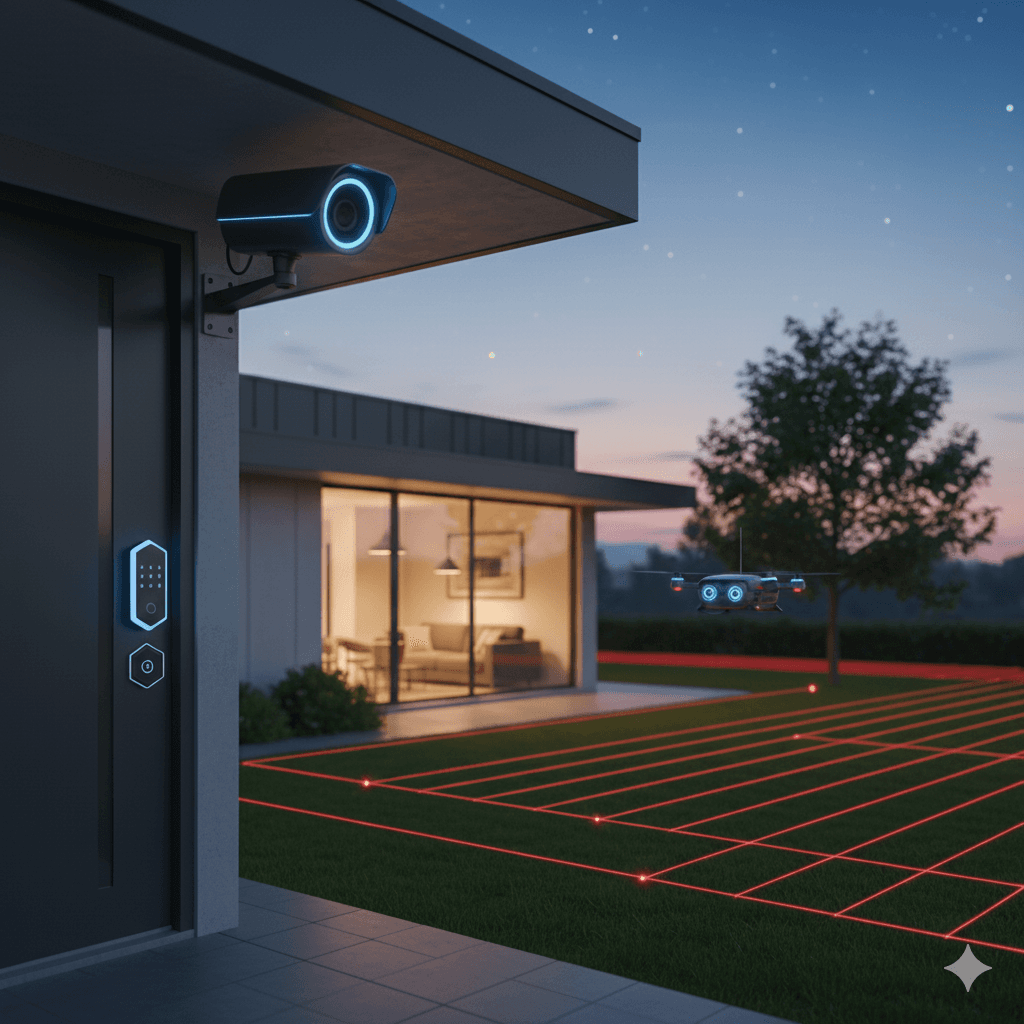
Your home’s exterior is your first line of defense. Good lighting and visibility make a big difference in deterring unwanted visitors. Install motion-activated lights near entrances, garages, and pathways, and keep trees or shrubs trimmed to eliminate hiding spots..
Adding a video doorbell or outdoor camera provides both convenience and protection. Visible cameras often discourage break-ins before they happen, and recordings can be invaluable if you ever need to file a report.
Home safety goes beyond locks and alarms. Take time to safeguard your home from environmental hazards. Equip every level of your home with a fire extinguisher, and make sure you know how to use it. Install smart leak detectors near appliances and in the basement to catch water issues early.
Many modern security systems now integrate environmental sensors that monitor for smoke, leaks, and CO levels. Brands like ADT and Vivint offer systems that combine all these protections into one connected platform.
Before settling in, review your homeowners insurance to confirm you’re covered for theft, weather damage, and liability. Update your policy if you’ve added valuables or upgraded systems.
Keep a shared list of emergency contacts, like local police, fire departments, trusted neighbors, and insurance agents, somewhere easily accessible. Having this information ready can save precious time in an emergency.
Digital security is now part of home security. If your Wi-Fi network isn’t protected, connected devices like smart cameras or doorbells can be vulnerable. Change default router passwords, enable WPA3 encryption, and use a separate guest network for smart devices.
Also consider turning on two-factor authentication for your smart-home apps to add another layer of protection against unauthorized access.
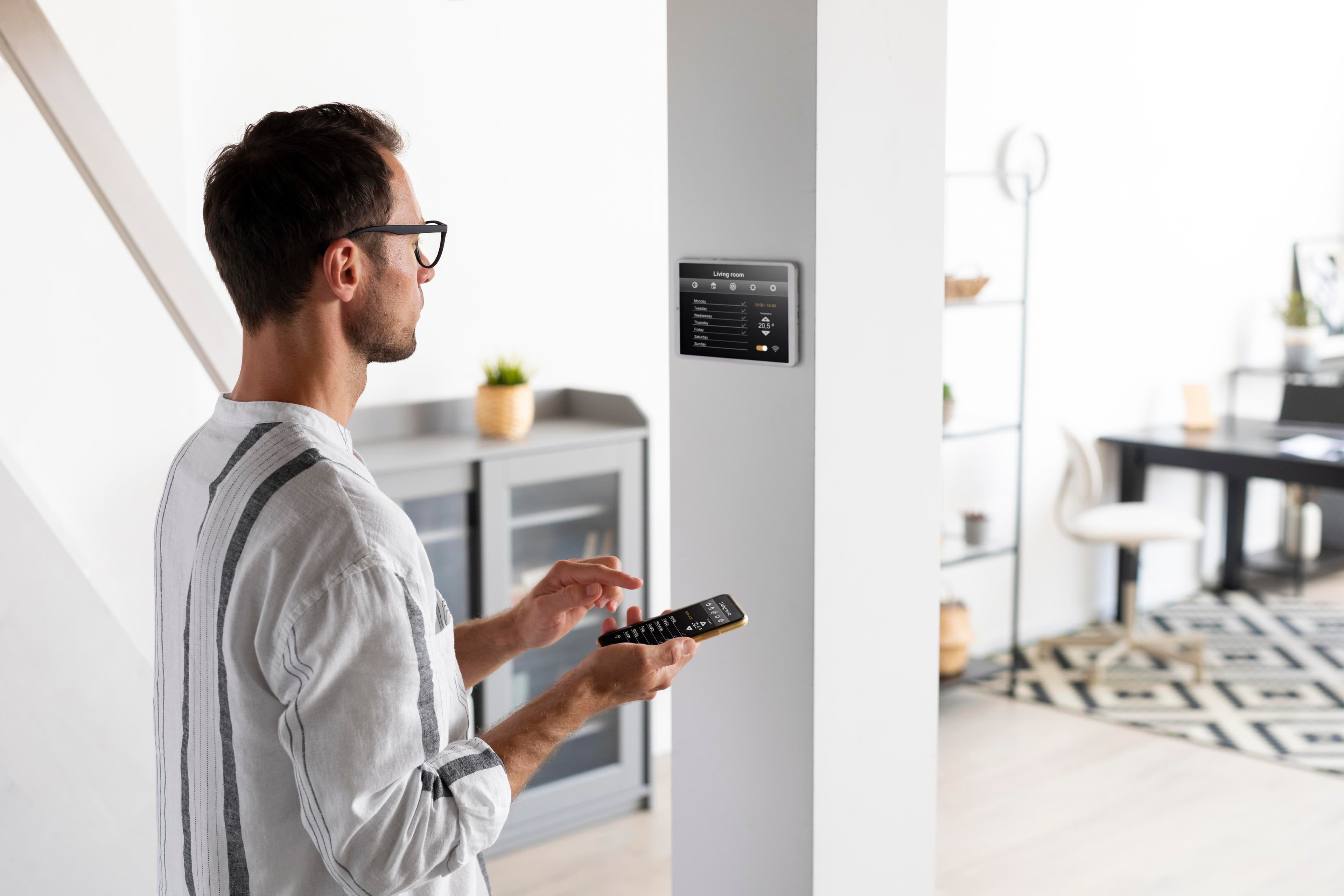
Smart devices don’t just make life easier; they make it safer. Smart locks let you check and secure doors remotely. Smart lights can be scheduled to turn on at night, creating the appearance that someone is home.
You can also integrate thermostats, garage door controllers, and voice assistants for added convenience. Many modern systems work seamlessly with both Alexa and Google Assistant, allowing you to control everything from one app or voice command.
After completing the basics, take your home’s safety one step further with professional monitoring. A monitored system connects your home to a live security team that watches for alarms 24/7 and can dispatch emergency responders immediately.
Providers like ADT specialize in combining professional monitoring with advanced smart-home technology, giving you constant protection whether you’re home or away. The small monthly investment offers invaluable peace of mind, especially for families or frequent travelers.
For more on finding the right service, see our guide to the Best Home Security Systems of 2026.